

Bean-To-Cup Coffee Machine
If you're seeking a simple single-button machine that provides limited options, or you want to experience the full home barista experience, you'll find many bean-to-cup machines to pick from. They range from espresso to 12-cup drip models.
The model is simple to use and our test subjects appreciated its large dial which allows you to alter the strength of the coffee easily. It comes with a steamer and a programmable clock.
Easy to use
An excellent way to make high-quality cafe coffee at home is to use a coffee-to-cup machine. These machines are popular due to the fact that they provide a great cup of coffee with minimal hassle. They work by grinding fresh beans and brewing them. The result is a full-bodied and rich coffee, with a silky cream. You can alter the intensity of the flavor by changing the amount of ground coffee you use and the extraction time.
bean to cup coffee machines -to-cup models have a hopper or compartment that can hold whole coffee beans as well as a grinder to dole out the exact amount of grounds needed for each coffee. They can also offer an option menu that lets users to choose their coffee preference and leave the rest up to the machine. The grounds that are used are placed in a bin for easy disposal and most models have rinse cycles following each brew to stop the residue from drying up on the coffee Spout or milk spout.
Once you've got the hang of it, using the coffee machine is simple and intuitive. It doesn't matter if you're a newbie to coffee or a budding barista these machines are incredibly simple to use. The Oracle Touch is a good example, with a touchscreen interface that's user-friendly and stylishly designed. The Sage Barista Express has a simple, one-button operation which is ideal for those who don't want to shell out a lot for their own personal coffee shop.
bean to cup coffee makers
If you are looking for a practical way to make coffee at your workplace, then take a look at a bean-to-cup machine. These machines offer a wide range of options that allow to adjust the size of the grind. For instance, filter coffee needs medium-coarse grinds while espresso requires an even finer grind. These machines are also designed to handle cups and mugs of all sizes. These machines also feature double drip trays that help reduce the amount of waste and clean up.
They are a fantastic choice for offices since they provide the best tasting coffee and save your team money over purchasing coffee from the office coffee shop. You can also purchase them at a reasonable price. They are less expensive than buying coffee pods. Some are even designed to utilize grounds instead of whole beans, making them a great choice for smaller space.
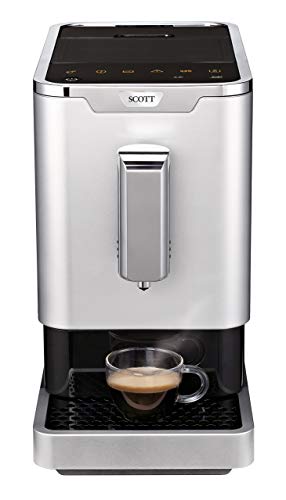
Even though instant coffee is gaining popularity, many people prefer real coffee. This is what you can get with a machine that brews coffee beans into cups. You can pick the type of coffee grind, the coarseness of the grind and the strength of the brewing and then dispensing the coffee using the press of a button. It is possible to use coffee beans from all over the world to discover new flavors. Many machines are plugged in to the system, meaning that you don't have to worry about refilling a water tank.
Versatile
Previously reserved for the barista bars in reputable coffee shops the bean-to-cup machine is becoming popular due to their ease of use and cost-effective coffee brewing. As opposed to pod-based systems that make use of ground beans instead of pre-packaged beans and allow you to customize your drink according to your own personal preferences. They also offer a more variety of flavors and blends than the majority of coffee pods and are also more affordable in the long run.
These models let you select the kind of coffee you prefer. They also have a built-in mill, which can be adjusted to accommodate different grinds. You can also utilize coarser grinds for a stronger cup of coffee or smaller grinds for drinks made with espresso. If you are planning to make cappuccinos or lattes the steam wand, which is built-in will be a great addition.
Some models allow you to save your preferred coffee settings while others feature a dual-height drip tray that can hold taller cups. They also have a removable water tank and bucket that is easy to clean. Certain bean-to-cup coffee makers come with a reusable filter system, which can reduce the amount of waste that you have to dispose. We also consider how quickly the machine can brew, and how easy to set up. We also examine how simple it is to refill the water and how often.
Buy Tickets Online
Once restricted to the barista bars of proper coffee shops, bean-to-cup machines are proving hugely popular for home-based consumers. Combining an espresso maker along with a coffee grinder and a milk frother into one machine, they give a full at-home barista experience without a lot of hassle. Some models can cost up to a hundred dollars. Which one you choose is contingent on the frequency you drink coffee, and how much you're willing pay for extra convenience.
The majority of bean-to-cup machines have a hopper or compartment for whole beans as well as a built-in grinder that grinds them fresh for every coffee. This gives you more control over the quality of your coffee than you might have expected from a traditional machine. It also lets you experiment with different grind sizes and roasts to find your ideal blend. The majority of machines are simple to operate once you've read the instructions with the controls and bean chamber clearly visible, making refilling and cleaning an easy task.
If you're looking for a high-end bean-to-cup device, the Oracle Touch from Sage (which is sold under the Breville brand in a few countries) is a fantastic option. It's extremely technologically advanced yet surprisingly simple to use. The colourful touchscreen interface allows you to switch between different settings for different drinks. However, it requires regular descaling in order to prevent mineral build-up from impacting the extraction process, leading to poor-quality coffee.